

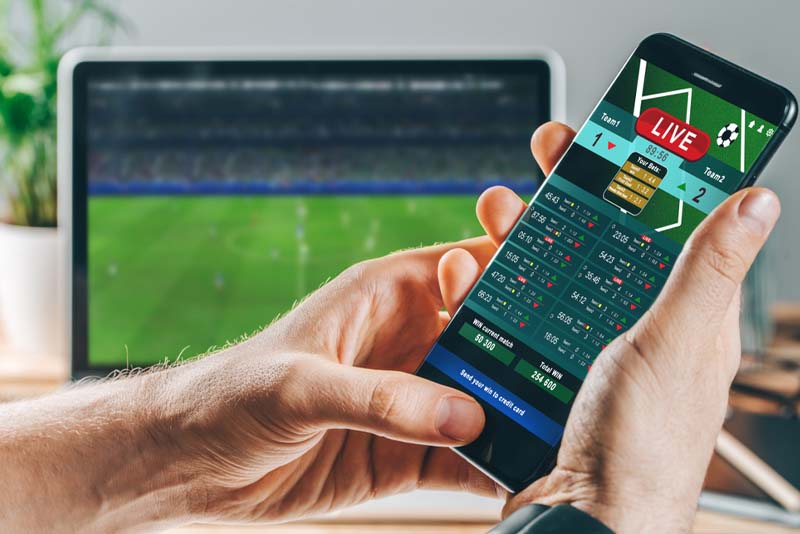
Sports betting is no longer the same. The evolution is immense when it comes to betting well ahead of the match, compared to betting during the match. This phenomenon is changing the way viewers watch and place bets. The essence of this change is the advent of live sports betting, which allows users to make real-time decisions on every play, substitution, or momentum swing. This is not just an innovation, it is an entirely new way of thinking. Once customers experience this level of functionality and feedback, betting before the match will seem primitive.
The Shift in User Behavior
The audiences that are into betting are as active as they have ever been. Folks desire mastery, interactivity, and instant modification tied to gameplay dynamics. Age-old betting practices where wagers are made and locked before the start of a pre-fixated match will always be outdated. A player’s betting method cannot be based on hypotheses; they want to bet on active and live scenarios.
Such a shift is driven by the mobile phone and high-speed data. Anyone can open a sportsbook app during a game and place a new wager in seconds. Without a waiting period until the following game, users access live odds, real-time updates, and in-play statistics to make educated choices.
Market Growth and Demand
Live betting is not a trend; it is an industry boom. More than 50% of sportsbooks’ handle has come from in-play wagers, and that number is growing every year. Operators are spending a lot of money on infrastructure needed for real-time data delivery, scalable platforms, and dynamic odds generation.
As data tracking and sports broadcasting technology improve, so too does the experience of live betting. In the modern day, fans are used to lines and markets being available to them instantaneously. If they do not get instantaneous updates, they will go to the competition. This is what is driving the industry to grow so fast.
Speed and Real-Time Engagement
In live betting, the name of the game is speed. Turnovers, fouls, and even the odd gust of wind can cause the odds to alter faster than you can blink. The fast pace of it all is why it’s so thrilling—and it’s the same reason why sportsbooks are constructing backend systems that can analyze and process huge data sets in the blink of an eye.
It is more than just having lightning-fast data–the underlying algorithm is even more important. The odds need to be changed in almost real time. Operators are experiencing tremendous lag for the live game and the platform. In this case, it is the platform that is winning, but it does so only through sophisticated algorithms and speedier streaming integrations.
Customization and User Control
Live betting offers more than just flexibility; it offers options that did not exist before. You can bet on who scores next, the number of goals that will be scored in the second half, and even whether the next point in tennis will be won by the server.
These micro-markets let the users design a betting experience based on their individual skill sets and risk appetites. Certain bettors wish to land a large return off the high-odds selection, while others prefer to accumulate profits by playing more strategically with less aggressive options. Live betting can sustain both types of users.
Tech-Driven Odds Creation
Live betting operates on the backend with extremely intricate algorithms. These systems assess a plethora of data points—calculating team statistics, examining individual player stats, weather, reading the game’s pace, etc.—and reproducible odds.
A more intricate model provides a greater line expectation, which augments the experience for both the sportsbook and the bettor. Even in the presence of turbulence, bettors engage and place trust in platforms that render dependable odds.
A New Type of Fan Engagement
Betting in real-time transforms passive spectators into active players. There is a real-time difference in the viewer count of a match when it’s live compared to when it’s being recorded of the same match. Companies are well known to this fact and are investing heavily in live streams and in-app features for betting.
Betting in real time is also availed to non-sports fans, giving them a whole new rush. It’s an absolute rush. Social interaction is at its peak. Some platforms allow users to follow and share bets in real time. It adds an extra layer of interaction to the game.
Real-Time Data Partnerships
Sportsbooks partner with several companies; they work with data firms, streaming companies, and even sports leagues to acquire real-time data with very little delay. These partnerships are important. Even a few seconds’ delay in data can be a loss or an arbitrage opportunity.
To counter that, sportsbooks are trying to secure exclusive direct stadium data deals. That way, they can guarantee direct input to provide users with updated odds faster than the broadcast delay.
This is the situation in which a good live betting strategy comes in. Bettors analyze more than the games; they are also looking at real-time player fatigue, changes in the weather, coaching techniques, and other factors. It is the way in which you answer the dilemmas presented to you at each game that will determine whether you earn a good day or experience loss at the end.
Regulatory and Risk Management Advances
Betting on live events is not without risk for the operators, especially when the pace is fast and exposure becomes tougher to manage. This is why there has been an uptick of sportsbooks employing risk management policies—most, employing some sort of AI module to monitor for anomalous behavior, auto-limit flagged suspicious bets, and even out odds.
The regulators, too, are continuing to file. Compliance frameworks for the licensing regime are in the process of adjusting for in-play wagering and the specific issues of integrity and timing that it poses. Such revisions serve to offer transparency to the system while safeguarding the services offered to the users and the operators of the platforms.
International Expansion and Accessibility
Accessing gambling platforms online offers seamless, reliable funds. In these industries, background mechanics and manipulation of regulation is enabled, and your funds are likely to disappear. Which gambling platform is social and sends your funds instantly?
Each obsolete department is being phased out. Datacenter and IT specialization is gatedhelves of the dead, and colossal funds are poured into marketing and advocacy. This is fundamental in each bid of unlocked value.
Mobile-First Experience
Betting in real time is designed for mobile use as most betters are not sitting by a desktop while watching the game feeds, but on their mobile phones in bars, on the couch, or even on the stands. Such mobility is the reason sportsbooks design apps with oversimplified interfaces, single-tap betting, and push notifications on betting odds.
Some applications offer picture-in-picture streaming, a feature whereby users can watch a game and place bets at the same time without changing the screen. Such features are likely to multiply as more sites and apps pursue streamlined real-time betting.
Event-Driven Surge Betting
During high-action moments, like the last few innings, overtime periods, having to pitch penalties, and red-card scenarios, just to name a few, is when live betting comes to a standstill. These moments do, however, cause a sudden increase in users’ betting and the platforms begin to hit tailored features for the moments, like “Quick Bet” buttons, custom promos, or “next play” time-limit wagers.
This addresses the live emotion and the urgency of the moment. Expect hands-off, emotion in actual betting. Expect more personalization in the sense of “suggested” votes placed in the past or odds placed in the region.
Responsible Gaming Features
With faster betting comes faster exposure, which in turn increases the likelihood of people getting hurt. Smart sportsbooks are using tech tools to aid the end user: bet limits, timeouts, real-time balance tracking, and pop-up reminders during extended sessions.
Although these tools are becoming standard licensing conditions in certain areas, most large providers still view them as beneficial. Providing users with a safer betting experience improves retention and reduces churn at the same time.
Frequently Asked Questions
Q: How Pay Per Head Services Enhance the Live Betting Experience?
A: Pay Per Head services give bookmakers access to full live betting platforms with real-time odds, data feeds, and risk management tools. It allows small operators to offer a top-tier experience without building tech from scratch.
Q: Can I Cash Out Early on Live Bets?
A: Yes, most sportsbooks allow partial or full cashouts on live bets, giving you flexibility to lock in profit or minimize losses.
Q: Is Live Betting Available on All Sports?
A: Not all, but most major sports support live betting—football, basketball, soccer, tennis, baseball, even esports.
Q: Are Live Odds Accurate?
A: Live odds are algorithmically generated using real-time data. They’re generally reliable but shift fast, so timing is crucial.
Q: What Happens If There’s a Delay in the Game Feed?
A: Delays can cause odds suspensions or rejections of last-second bets. That’s why sportsbooks invest in low-latency feeds and syncing tech.
Betting, But Smarter
Live betting is more than a feature—it’s becoming the foundation of modern sports wagering. It offers control, speed, flexibility, and engagement in a way that pre-game betting can’t match. For users, it’s a faster and more interactive way to bet. For sportsbooks, it’s a new frontier of growth, differentiation, and innovation.
As technology, data access, and user expectations evolve, live betting is only going to become more central to the online wagering ecosystem. It’s not the future. It’s already here—just getting faster and smarter by the day.


