

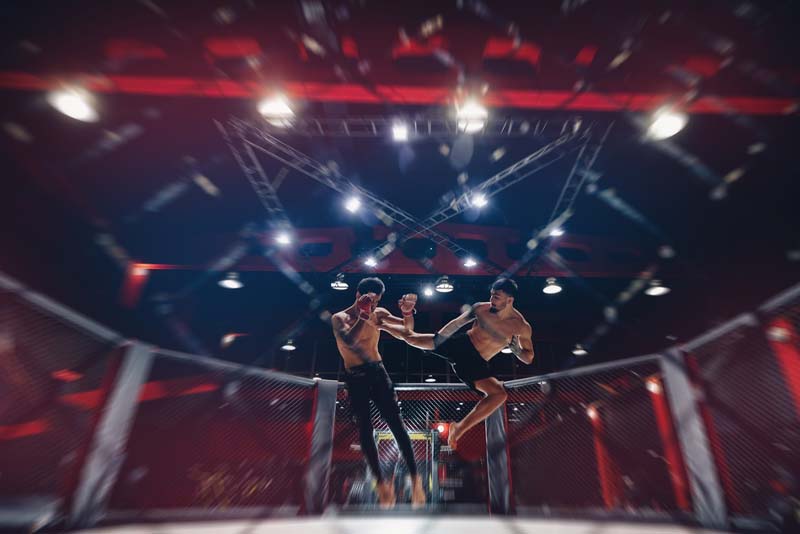
Running a top pay per head sportsbook means dealing with the chaos of major sports nights — and nothing pulls in unpredictable action quite like a UFC Pay Per View. Every big card draws a mix of sharp bettors, casual fans, and late-night adrenaline wagers. Managing all that action in real time takes more than a betting platform — it takes a coordinated setup of lines, risk tools, and live support.
Let’s break down how pay per head (PPH) operations actually manage the mayhem behind the scenes when the octagon lights come on.
UFC Events Push PPH Systems to Their Limits
Unlike other betting nights, UFC events offer multiple betting options due to the number of fights within an event. Each UFC event has a series of prelims and main card fights, and at the very least, one to two headline bouts. Each headline bout has the potential to change a sportsbook’s liability by thousands. Every sportsbook has to deal with constant changes because of last-minute fighter pullouts, weigh-in issues, and sudden sharp betting changes that occur within hours of the event.
Effective pay per head systems have cornered the automation market. Odds are derived from a main feed, and market changes are tracked and automated to assist with odds updates. A pay per head operator generally watches other sportsbooks to adjust lines based on information as seemingly minor as one fighter sustaining a minor injury.
What distinguishes premium services in the industry from the others is the ability of the complete sportsbook to maintain system stability, which in turn ensures quick system updates.
Pre-Event Setup: Odds, Props, and Market Depth
Before fight night, the pay-per-head provider organizes the entire betting menu. This consists of the primary moneylines, over/under rounds, method of victory, and exotic props such as “fight ends in submission.”
As with other pay-per-head services, the provider likely uses the services of global trading rooms utilized by top-tier sportsbooks for odds. A local agent then customizes the margins, e.g., widening spreads or assigning user-specific limits.
During this stage, risk management truly begins. The system monitors the flow of money and flags uneven betting exposure. When imbalanced action is placed on one fighter, the system sends alerts and the odds are adjusted, or maximum bets are capped.
Managing the Live Betting Surge
When the main card begins, the sportsbooks shift focus to live betting. Pay per head sportsbooks have grown accustomed to real-time, automated odds with advanced sportsbooks. They predicted when to lock, suspend, and reopen lines after each round.
The PPH platform integrates with providers that automate real-time data feeds for every significant fight and each phase of the match. Agents may use their discretion to offer live events of all the fights, or limit to marquee fights only, that have line movement.
Latency within a system can be used to predict the winner of an event. Operational betting systems simulate the PPH live with limit and adaptive betting interfaces to observe the movement and react to live takedown defenses, active betting, etc.
Handling Line Movement and Sharp Action
Pay per head sportsbooks must strike a delicate balance on UFC Pay Per View nights: tending to the needs of casual bettors while avoiding sharp syndicate hits.
Sharp players hitting the opening lines aggressively analyze fighter style and conditioning mismatches. To mitigate this risk, PPH trading staff preemptively tighten limits and control exposure by monitoring betting activity by IP, player clusters, and stake correlation.
As the event approaches, they’ll widen limits to capture more recreational players, which is important to maintaining a healthy handle and to mitigate early bets placed with the intention of arbitrage.
‘Top pay per head sportsbooks’ offer control over customizable limits per player or per market. Compared to a decade ago, this is a level of sophistication local bookies are unable to offer.
Dealing with Fighter Changes and Cancellations
Few circumstances create more stress for a PPH operation than a last-minute change to a fight. In the hours leading to a show, issues such as a fighter missing weight, a last-minute medical concern, or a no-contest can occur.
These situations, the provider’s risk team automatically voids or adjusts the bets that involve the canceled fight. In the case of a last-minute replacement fight, new odds are generated and pushed live for players to wager on. Players see these updates as they happen to the odds on their portal.
This is the reason why automation is critical, as manual control, having to make changes for hundreds of players on major UFC nights, is simply not feasible. The more advanced systems will even notify players and their agents when a fight has been removed from the schedule.
Payout Calculations and Ticket Grading
Once the main event has concluded, the PPH systems quickly move on to result grading. The outcomes of each fight are confirmed via an official data feed. The system automatically settles tickets — wins are paid out, and losses are deducted.
Our system distinguishes between full cancellations, no-contests, and technical decisions. For live betting tickets, each market is individually graded. As an example, the “fight to go the distance” prop is graded the instant the final bell rings, even if the main result is not yet official.
Quick grading helps keep players engaged and minimizes disputes.
UFC-Specific Props and Cross-Marketing
Numerous PPH providers now construct tailor-made UFC gambling bundles for agents. Such bundles contain parlay boosters alongside “double chance” proposition bets and fighter performance bonuses. Other providers go as far as placing promotional overlays, such as “bet $50 on the main event, get $10 free credit.”
Such cross-marketing efforts maintain engagement for bettors during the less popular prelims. With each additional match wagered on, the agent gathers more data for player profiling.
A handful of operators also place bet-educational content, such as previous fight result summaries and striking styles, in their front-end UI to help novice bettors gain the confidence to bet on multiple markets.
Understanding Weight Classes and Line Impact
Betting patterns often shift depending on UFC weight classes. Lighter divisions tend to go the distance more often, while heavyweights produce more knockouts. PPH operators know this and price totals accordingly.
In heavyweight bouts, it is common to see over/under lines set at 1.5 rounds. In contrast, featherweights may start at 2.5 or 3.5 rounds. Automated values are determined using trading software, which considers a fighter’s history, statistics, age, and history of fight durations.
This leads to a more equitable market and reduced risk on each side.
Agent Control and Player Management Tools
A primary reason bookmakers implement pay per head systems is due to control. They observe every single bettor’s handle, win/loss record, and betting tendencies in real time.
During UFC Pay Per Views, agents can tighten limits for consistently winning bettors and loosen limits for casual bettors. They can adjust the lines independently or allow the master feed to adjust lines automatically.
Some systems provide per-fight player alerts. If a player exceeds a certain limit or bets several times on correlated propositions, the system temporarily locks that player until a review is completed.
Customer Service and Live Support
Because UFC events frequently extend till after midnight, round-the-clock customer service remains imperative. A high-quality pay per head service provider features live chat and telephonic support for both agents and players.
Support personnel simultaneously resolve disputes, login complications, and payout confirmations. This procedure lightens the agent’s load and fosters trust in the system.
A quick response to bettor payout inquiries during a sudden finish of a fight is critical to service smoothness and operational continuity.
Data Security and Server Load During Pay Per Views
Traffic spikes drastically during UFC Pay Per Views. A mediocre platform could crash during the mid-card, which could potentially block revenue and damage credibility for the agents.
This is also the reason why the top pay per head sportsbooks get flexible and scalable hosting and load-balancing. The servers expand bandwidth as traffic increases. While SSL encryption guarantees user data security, high-frequency backups protect against data loss during the event.
Security might not be visible, but it is important. A single glitch during a title fight could obliterate client trust in a matter of seconds.
Post-Event Reporting and Profit Analysis
Finally, all events within a card are summarized. Agents will review total handle, net profit, player performance metrics, and player most-bet markets.
The agent can further optimize subsequent events by analyzing these reports. They can inform limit and margin adjustments, and shifts in promotional efforts. For example, if an agent’s most profitable markets are props, they can allocate more resources toward those markets for the next event.
The feedback loops in an operation, which are informed by the data an agent has, are what distinguish a professional setup from a hobby one.
Integration with Other Sports and Future Cards
Pay per head sportsbooks do not function in a vacuum. They combine UFC markets with those for boxing, football, basketball, and soccer. This strategy ensures that customers do not remain inactive for extended periods, as they would otherwise do between fights.
When one card ends, the system automatically and instantly posts early lines for the next event. Such consistency reinforces volume and promotes customer loyalty. Agents can also set up automated promos surrounding upcoming Pay Per View events to help sustain the buzz.
The Real Advantage: Automation with Flexibility
The unique defining feature of PPH technology lies in its seamless integration of automation with human command. While all components covering odds and payouts operate independently, the agent retains the ability to engage at any moment.
This equilibrium enables less prominent bookmakers to challenge the larger corporate sportsbooks. They receive advanced risk management and real-time betting tools, complete with UFC coverage and all the betting options processed under the bookmaker’s unique brand.
This is the backbone that avoids the manual disorganization of the local markets.
Frequently Asked Questions
Q: How Pay Per Head Services Manage UFC Betting Limits and Risk?
A: Pay per head services use dynamic limit settings and automated monitoring tools. The system flags large or unusual wagers, lets agents cap exposure per fight, and adjusts odds instantly when liability spikes.
Q: What Happens If a UFC Fight Is Canceled?
A: Bets placed on a canceled fight are generally voided. If a fighter is replaced on short notice, new betting lines are created, and players are given the option to place a new bet.
Q: Can Players Place Live Bets During UFC Fights?
A: Yes. Most pay per head services enable in-play betting, although the maximum wagering amounts are often lower due to the rapid and unpredictable changes in the situation, as well as the potential for unequal information flow.
Q: Do Pay Per Head Sportsbooks Include UFC in Their Parlays?
A: Almost always. Players can create parlays with several fights or combine UFC selections with other sports. The system calculates the combined odds and manages correlated risk on the sportsbook’s side.
Q: How Do Agents Monitor Player Activities During a Pay Per View?
A: They have access to a dashboard where they can track the bets placed, limits assigned, and the overall win/loss balance of each player in real time. These records are also available for download after the event for further analysis.
Beyond the Octagon: Why UFC Nights Define PPH Performance
Big UFC Pay Per Views are stress tests for any sportsbook — a few hours where systems, odds, and human management collide. If a provider handles those nights without errors, you can trust them for everything else.
That’s why agents looking for long-term stability always check how a service performs during fight cards. Smooth operations, fast grading, zero downtime — those are the real marks of a top pay per head sportsbook.
Because when the gloves touch and the crowd roars, the only thing that should matter is the fight — not whether your betting platform can keep up.


