

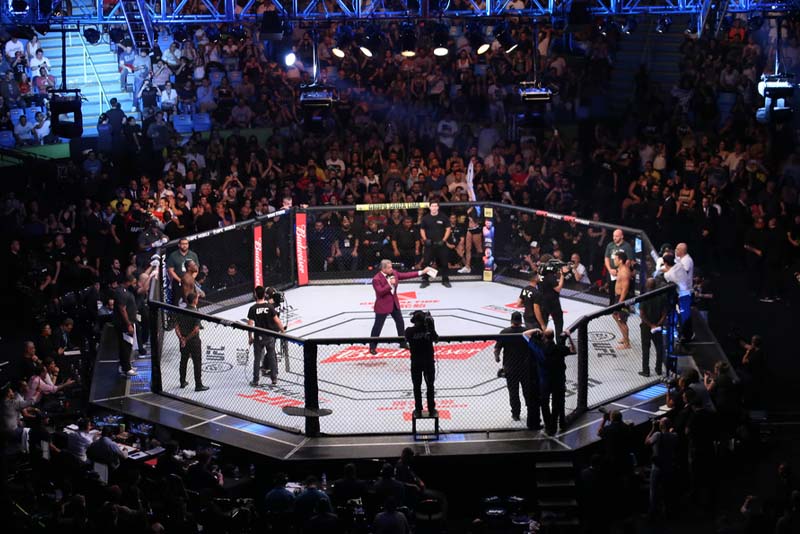
UFC fight cards change fast. Anyone who’s been around the business knows that. Fighters miss weight, injuries surface during warmups, visa issues pop up, and commissions pull bouts hours before the first walkout. If you’re running UFC betting in pay per head, those moments are stress tests. Lines move, players react emotionally, and mistakes get expensive quickly. The key isn’t predicting chaos. It’s being set up to absorb it without blowing up your risk profile.
Why UFC Card Volatility Hits Pay Per Head Harder Than Most Sports
In contrast to team sports, betting volume for MMA events is often focused on a few fights. A sudden main event cancellation does not simply mean one less line; it obliterates parlay cards, voids prop bets, eliminates future bets, and removes any expectation for late actions. For pay per head operations where agents assume player risk instead of a book, that focus is critical.
Bettors don’t take fight cancellations in stride. They immediately seek out new betting options. They get aggressive and try to get bets on new lines. They bypass waiting periods. If your agents, your backend, and your grading logic are not fully buttoned up, the chaos complicates rapidly.
Building Flexible Betting Rules Before the Card Is Even Posted
The best strategies are put into place days in advance of an event. There should be clear, automated rules for fight cancellations. Decide in advance how no-contests, late scratches, and bout replacements are treated in terms of grading on singles, parlays, teasers, and props.
Custom UFC rules pay per head solutions give you an advantage here. You want systems making rules, not agents having to figure it out at 12:00 am. When rule exceptions are removed, players complain less, even if they don’t like the result.
Closed rules are better than generous rules. Ambiguity in rules leads to disputes, and disputes cause time and trust to be lost in the process.
Managing Line Exposure When a Main Event Falls Apart
With the absence of a headliner, the odds on the entire betting card not only adjust, but also become irrational. The overwhelming betting public will flock to the co-main events. The volume for the undercard fights will irrationally increase to that of the headliner.
One tactic to consider is preemptive limit scaling. When credible cancellation rumors begin to circulate, scale your limits back a bit for the entire card. You don’t want to overdo it. Just a small adjustment will suffice to mitigate the risk from sharp betters and avoid large last-minute bets.
This is not about fully stopping bets. It is about gaining time to recalculate the betting odds while managing how much money is available for betting.
Agent-Level Communication Is Not Optional
Agents are your first line when it comes to defending sentiment. They hear player sentiment before you see any betting data. When a fight is in doubt, agents should preempt a fight, considering possible scenarios like cancellation, postponement, or replacement.
Give them short talking points. No long explanation. No legal jargon. Just a straightforward, clean response that they can repeat verbatim. During high-stress card changes, consistency is more important than being friendly.
When agents make up their responses, players exploit the cracks.
Handling Replacement Fighters Without Overexposing the Book
Booking replacements for fighters creates traps for pricing. Most public bettors tend to overvalue name recognition or social media buzz. Sharp bettors tend to finish off early pricing errors.
A more disciplined approach would be to hold off on replacing fighters until you can gauge several market comparisons. Even a quarter of an hour could help you avoid terrible odds from being overbet.
If your site has manual approval controls, implement them. Large wagers on recently put new replacement fight matches should go to a review, not to auto approval.
In the middle of these situations, while managing them, it is also key to keep your expectations tempered when it comes to the UFC betting limits and risk. The exposure correlated to increased volatility of the card increases because of added risk, and ignoring this is how your agents end up taking one terrible night and losing weeks of profits.
Prop Markets: The Quiet Risk Multiplier
While props may seem like they do not contribute much to the overall volume, they can stack up quickly. Things like round totals, method-of-victory bets, and fighter-specific props all depend on how the bout goes. When bumps change, grading props gets more complicated.
One optimal approach is to keep the props that become more unstable unavailable until the cards are stable. You don’t have to remove stuff completely. Keep props that are more sensitive to change, like round betting and performance bonuses.
Props should enhance volume, not magnify confusion.
Timing Matters More Than Speed
A common operator assumption is that speed is an asset. In fast-moving UFC scenarios, measured timing is superior to snap judgment. Updating lines too quickly creates mistakes. Delays, on the other hand, aggravate customers.
Establish internal time constraints. For instance, no new UFC lines are to be posted within X minutes of confirmed bout changes, unless the numbers are validated by two sources. This practice lessens the risk of making reactive decisions under duress.
Grading Disputes: Decide Once, Enforce Forever
Card change disputes are happening after grading due to fight night. Players fight over different intents, not different rules. The only shield is consistency.
If the commission rules a fight a no contest, grade it the same, every time. Don’t change it for frequent players. Don’t alter losses to bonuses concerning the dispute. That sets an example, and examples are contagious.
Your reputation isn’t built on kindness. It’s built on consistency.
Using Data From Past Card Changes to Adjust Future Strategy
Every chaotic card contains a multitude of data points. Track the fights that are getting late money, the agents that are getting the most disputes, and the places that are getting limit overages.
With the data, trends and patterns can form. Some weight classes get a very specific type of sharp replacement action. Some fighters create emotional betting from the public. That data can be utilized in the future in order to pre-adjust limits and posting delays.
Experience is only useful if you let it change your behavior.
Technology Isn’t the Answer—Configuration Is
The majority of pay per head systems support UFC betting. It all comes down to how each system is configured.
Things like automated rule enforcement, alerts for unusual bet sizes, agent permission controls, and delayed posting matter more than decorative interfaces. A good pay per head system quietly avoids problems.
If your platform requires staff to implement manual adjustments in the middle of a hectic betting environment, the issue isn’t staffing. It’s the system’s structure.
Frequently Asked Questions
Q: How Pay Per Head Sportsbooks Handle UFC Pay Per View Events?
A: Pay per head sportsbooks typically increase limits, expand prop offerings, and enforce stricter cancellation rules due to higher volume and exposure.
Q: What happens if a UFC fight is canceled after bets are placed?
A: Most pay per head systems void the fight and adjust parlays based on preset house rules.
Q: Should limits be lowered when a main event is at risk?
A: Yes. Temporary limit reductions help manage sudden shifts in betting behavior.
Q: Are replacement fighters more dangerous for the book?
A: They can be, especially if lines are posted too quickly without market confirmation.
Q: Do agents have authority to override grading decisions?
A: They shouldn’t. Grading should be automated or centrally controlled to ensure consistency.
When the Cage Door Closes on Chaos
Sudden UFC fight card changes aren’t rare events. They’re part of the business. The operators who survive them aren’t luckier or faster—they’re prepared. Clear rules, disciplined limits, steady communication, and controlled timing keep pay per head operations stable when everything else gets loud. The goal isn’t to avoid volatility. It’s to stay profitable while everyone else is reacting.


