

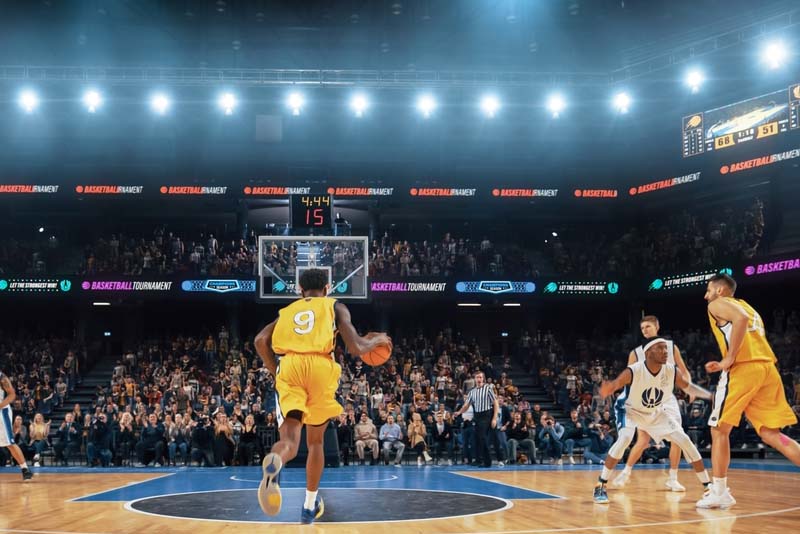
As the college basketball season reaches its peak, pay per head bookies feel the heat. There is an upsurge in volume, changes in user activity, and the margin for error shrinks. The NCAA calendar isn’t just a set of games—it’s a pressure cooker for bookie operations. Winning that rush means smarter operations that bring in more money and require less effort. Everything, in this case, is in supply-and-demand foresight and strategy, not guesswork.
Let’s discuss how to stay focused during the busiest times of the college basketball season.
Prep Before Conference Play Kicks In
Most casual bettors begin placing bets in March; however, PPH bookies understand that groundwork from betting seasons before pays off during March Madness. Late November to early January is when sharp bettors start seeking value. You must:
- Alleviate catering to bets per player during the early betting season.
- Classify users based sharp, square, or dormant based on level of engagement.
- Spot early line-chasing behavior to associate potential syndicate players.
Make the most of your PPH platform by analyzing trends in totals betting, i.e., monitoring unders in small mid-major conference games. Confirmed bets with provided restrictions from notes earlier will ensure that the trends noticed will help understanding later.
Monitor Daily Limits with Flexibility
Bigger seasons bring more volume. But not all engagement is positive. Managing limits isn’t only about avoiding risks—it’s also a way to strategically filter. If you notice patterns like:
- Concurrent wagers on the same market from different accounts
- Betting only on certain days, like Saturdays or after injury news with a much larger bet size
- Watching only high-profile games for spikes in live betting
Then it’s time to change limits more flexibly.
Allow your PPH system to assist you. The best pay per head services enable you to adjust daily or weekly per player limits. Make use of those features. Set up outlier alerts for bets so you’re not sifting through reports manually.
Stay Ahead of the Injury Wire and Team News
PPH bookies can afford to be late to anything. In college basketball, injuries, starting lineups, and even coaching changes impact the game more than in the NBA. One starting player sat out for a lesser-known team, and that could change the line by over 5 points.
Only trust confirmed sources such as team beat writers and insiders from the conference. Avoid Twitter rumors. For crucial athletes or for teams with lots of action, set alerts on Google. Of course, one needs to confirm injury information against line changes. In case the line moves 3 points with no news, chances are someone knows more than the rest. Quickly reduce exposure.
Smart Line Shading for Public Teams
Duke, Kentucky, Kansas, and Arizona. Their games attract significant public wagering, especially during marquee matchups. That’s where PPH bookies make their margins—if they know how to shade properly.
As you try to maximize your book, keep these tips in mind:
- Lines for public teams are best set at a cushion of one point. If your bets are flowing with a strong -7.5 bend, don’t be afraid to set -6.5.
- Track teaser and parlay combos. If Gonzaga -2 is in 80% of teaser bets, adjust that price.
- Offset lined spread bets with adjusted shaded totals to sharp money—if they’re hammering the spread, tweak the total half a point to bring balance.
Even with sharp bettors in mind, these micro-adjustments add protections for your overall balance and your exposure while keeping the book alive and attractive to all types of bettors.
Maximize Prop and Total Volume
Most bookies pay way too much attention to spreads. During the peak season, props and totals quietly drive profit. Why? Recreational bettors love them—and they’re often less efficient markets.
Key angles:
- Add game props: “First to 10 points,” “Player X over/under 19.5 points.”
- Offer alternate totals in high-interest games.
- Rotate daily specials with time-limited availability.
This not only drives engagement but dwindles exposure across multiple bet types. This results in less risk sitting on one side of a line and more volume across manageable, spread-out segments.
A good example is when the March Madness betting odds start to surge, and everyone is running to those big-name teams in moneyline parlays. Adding team props and totals relieves some of the burden from the overloaded sides.
Use Incentives Strategically
Unsuspecting participants can derail things by going overboard with poorly organized deals. With good execution, however, they can harness the betting in the specific time period that has the most unpredictability.
Here is a “what works” section crafted just for you:
- Fridays where you offer a free half point on game totals to cultivate aggressive betting into caps.
- Deposit incentives that unlock with a bet on a proposition only, not the spread or the moneyline.
- “Beat the Line” contests—payoff to participants who shut the bets before the event so that they do not peak during the last few hours.
The best pay per head services will allow you to create time-sensitive promotions and fixed rewards. If that’s the case, set it up accordingly. Do not lose sight of the aim, which is placed judiciously, as opposed to randomly.
Plan for High-Traffic Days (Saturdays and Post-Selection Sunday)
Some days aren’t normal. They’re money pits if you’re not ready.
Saturday slates during February and early March are chaos. You might have 60+ games on the board. Action spikes, mistakes happen, and sharp bettors know it.
Prepare like this:
- Review player limits Friday night.
- Set static lines on low-interest games to reduce exposure.
- Assign alert rules: if a line moves 3 points or more in under 15 minutes, get pinged.
Same for Selection Sunday fallout. When the March Madness bracket drops, betting starts within hours. Know the schedule. Have futures loaded by Sunday night. Check your limits again Monday morning. Don’t wait for the rush—it’ll be too late.
Analyze Win Rates by Market
Now that you have volume, movement, and data, you can transform it into insights.
Smart PPH bookies know how to track profitable markets during peak season—and know which ones to ignore. It’s not just about wins and losses. It’s about which bets make you profits.
Set up weekly reports for:
- Straight spread wins and losses.
- Prop win percentage by team or player.
- Average ROI per market (teasers, parlays, totals).
Make adjustments based on outcomes. Get rid of unprofitable markets for the season. Increase marketing for profitable ones. In the case where props account for 10% of the action, but 90% of the profits, props aggressively push for more action.
Data is leverage. Use it wisely.
Frequently Asked Questions
Q: How Pay Per Head Betting Works During March Madness?
A: Your players use your custom site (powered by a PPH provider) to place bets on March Madness. With PPH betting online, the platform handles the odds, lines, and grading. You just manage limits and payouts. It’s automated and scalable.
Q: Can I change player limits mid-season?
A: Yes. Most pay per head platforms let you adjust daily, weekly, and wager-type limits instantly. Use this to adapt based on player behavior or unexpected exposure.
Q: Are there tools to stop sharp bettors automatically?
A: Not automatically, but you can set up alerts for unusual betting activity. Some PPH services let you track sharp behavior trends over time and restrict markets or limit bets.
Q: How often should I update lines manually?
A: At least twice daily during peak season, especially on Saturdays or high-profile game days. Most PPH systems auto-update, but manual shading helps with exposure control.
Q: What’s the best way to promote props to my players?
A: Push them with targeted bonuses, email/text promos, or in-site banners. Many recreational players just don’t see them unless they’re highlighted.
Last Call Before Tip-Off
Peak college basketball season isn’t for coasting. It’s where a pay per head bookie either tightens the screws and profits—or loses the grip entirely. The smartest operators aren’t reactive. They’re scanning behavior, adjusting limits, shading lines, pushing props, and watching the board like a hawk. There’s no magic button—just smart decisions made over and over again until the tournament’s final buzzer.
Get sharp, stay sharp, and make the season count.


