

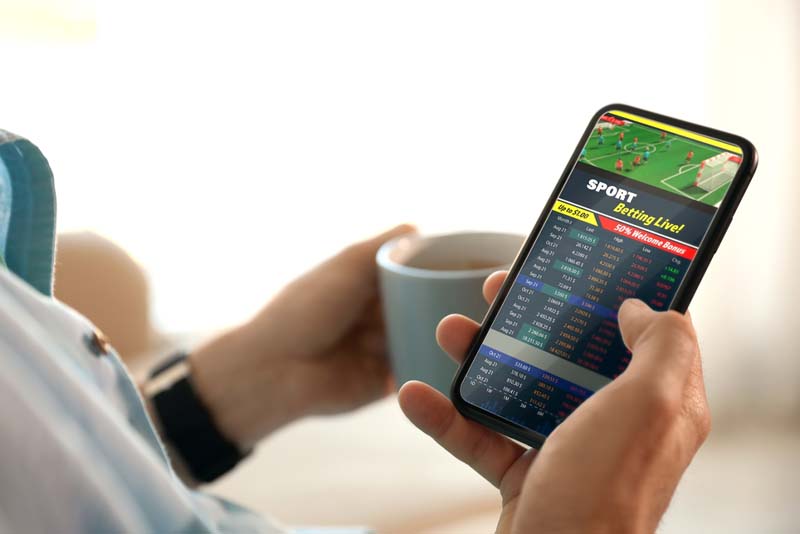
The experience of online wagering has changed considerably over time. The pace of online wagering and the interactivity involved in the process have all changed. For the users who prefer disparate real-time engagements, live betting sites remain the primary focus. Old users prefer the outdated methods of placing pre-match bets and waiting for the results, but the new users are engaged in the activity of continuously reacting and placing bets in real-time while being guided by streamers and data. The result, sports betting has become more of a gamble.
Increased Interest
Live data engagement from sports bets and real-time wagering has encouraged focus and engagement. The intervals in the event of a wager made are minimal, and the time between bets is compressed. Systems continuously adjust to mitigate the risk of a wager made and losses accrued. The focus of wagering has shifted to the game from the betting system.
The focus of the game has shifted from the event to the betting system, and the technology enables that shift. The last few bets made, the odds change, the interval of video delay is reduced, and the data is presented in real-time. The focus shifts to making bets, and the game is a means to an end, to wager.
The Human Layer: Live Dealers
Initially, online betting was impersonal. The introduction of live dealers changed this. These live stream dealers not only run the table, but also engage the players, sustaining the game’s momentum and energy. These interactive functions add an authentic touch that software cannot replicate.
In live roulette, for instance, the dealers engage players by chatting, announcing wins, and responding to game-related messages. The ability to rhythmically and automatically execute these functions turns this otherwise monotonous betting activity into a shared, entertaining, and trustworthy experience. These aspects are absent in a self-service betting interface.
Streaming as the Core, Not the Add-On
Initially, video streams were supplementary; now, they form the core of contemporary betting systems. Leading services center everything around the stream, with betting options, odds, stats, and real-time analytics integrated smoothly within the stream.
Consider the case of a football match, where a viewer can see real-time heatmaps, possession rates, and live instant odds relevant to the subsequent scoring opportunity, all within the video stream. This feature seamlessly integrates betting and viewing, enhancing the fluidity of the experience. The system is designed to immerse the user completely.
Data-Driven Odds Engines
Underpinning every live experience is sophisticated mathematics. Contemporary wagering interfaces depend on algorithms that modify odds in real-time due to live data – goals scored, injuries, substitutions, and changes in game momentum. AI technology favors the odds in the betting market by analyzing these shifts faster than the average human.
These systems cannot afford to lag. Delays of mere seconds could be a goldmine for sharp bettors willing to exploit the refresh gap on the odds. Therefore, every market player invests in low-latency data feeds and predictive analytics. For them, speed is a matter of life and death.
Social and Interactive Layers
Gambling is becoming social. Today’s platforms have live chats, co-betting tools, leaderboards, and the ability to share and see wagers in real-time during play. There is the ability to wager, converse, and receive social responses as the plays progress. It’s community gambling.
Digital platforms provide live gambling hosted by digital presenters who engage with participants, announce wagers, and analyze plays. It resembles a digital gambling event as opposed to the seclusion of traditional gambling. There is a social network for participants to engage with while gambling.
Cross-Platform Integration
There is no doubt that mobile betting was a primary driver of this shift. Customers expect the same seamless experience on mobile devices that they enjoy on the desktop. This requires a complete rethink of the design—considerations like smaller screens, quicker load times, and one-touch wagering. Today’s betting apps streaming ‘live’ matches provide near real-time odds spike alerts.
It has become commonplace to watch a game on television, bet on a mobile device, and track stats on a tablet. The ability to move seamlessly between various devices is a fundamental design principle. The design of the system is betting-friendly and primary.
Regulation and Transparency
Faster systems developed alongside tighter oversight. Regulators pay close attention to these two aspects: stream synchronization and equitable access to data. Odds and video feeds must align at all times so no one gains a betting advantage due to a latency problem. Third-party assessors confirm the timing of action in a game versus the odds shown to players.
Active and passive responsible gambling features are now integrated into the main interface of systems and not buried in obscure menus. Players can set time limits, deposit caps from the ongoing game, or self-exclude from the game in real time. Design transparency and responsible gambling features are no longer an afterthought.
Building Smarter Engagement Through Live Betting Strategies
As bettors gain experience, they start using structured approaches known as live betting strategies. These aren’t random guesses; they’re tactical decisions made in real time. Bettors read momentum shifts, monitor stats, and jump on odds spikes when timing feels right. It’s part skill, part discipline.
Platforms encourage this by providing detailed analytics, historical data, and predictive visuals. Some users wait out the first minutes of a game before betting to identify rhythm or form. The smarter the player, the longer they stay engaged — and the deeper they explore the platform’s tools.
The Merge of Casino and Sports Betting
The barrier separating casinos from sports betting is eroding. Interactivity, rapid decision-making, and live hosts are common to both options. Some enterprises are trying hybrid options, like sports game shows or real-time interactive trivia games linked to the ongoing matches.
Such integration is beneficial to both sports bettors and gamified dealer casino players. There is an uninterrupted experience—users can use different techniques of engaging with real-time odds. Live sports betting is an option for players coming from dealer-led casino games. Casino players have live sports markets available and can join anything from sports trivia to dealer-led games.
Technology Driving the Ecosystem
Without robust infrastructure, none of this is possible. WebRTC low-latency streaming or low-delay HLS keeps visuals synchronized. During peak traffic periods, such as finals or derbies, cloud servers automatically scale. AI algorithms scan for irregularities and possible illicit practices continuously.
Next is augmented reality and gesture-based wagering. Players are already able to place voice-activated bets on some prototypes while streaming the event. The vision is action with no friction — a more rapid interface and fewer clicks. The greater seamlessness in the process, the higher the engagement and the lower the drop-off.
Market Growth and Competitive Landscape
In many leading markets, in-play betting constitutes more than half of total sportsbook revenue. Europe pioneered this, although North America and Asia are quick to follow. Different regions utilize different local sports and cater to local user habits, but the overarching trend is the same: instant engagement is preferred.
Operators compete to a large degree on the speed of in-play betting, exclusive streaming rights, and proprietary algorithms. Some collaborate directly with the leagues to gain access to the necessary in-game data and odds. Others develop advanced in-house AI frameworks. The advantage is now technical rather than solely promotional.
User Experience as a Core Differentiator
When the odds are almost the same, the only differentiator becomes the risk design. Bettors will remain loyal to the platforms that are easy to use. Trust and excitement is created through rapid cash outs, seamless flow, and instant updates to cash-out animations.
The ideal interfaces are like the dynamic scoreboards and dashboards in trading. The system responds to changes in prices, rapidly calculating the user’s profits and cashing bets in real-time. Continuously moving parts and micro-animations are not there to simply create an appeal; they are there to create emotional attachment and feedback. Users will feel the system is alive because of the moving design.
The Role of Content Creators and Influencers
Streaming culture has changed the way betting is marketed. Influencers host live commentary sessions on games, providing analysis and placing bets alongside their audience in real time. These sessions attract thousands of viewers, merging entertainment and education on betting.
Twitch and YouTube Live integrate real-time virtual betting with betting operators. Audience members can participate and place bets in real-time on the same stream. Betting has become a part of streaming culture; it is conspicuously safe and openly accessible.
Security and Fair Play
Trust is everything. Live betting is complex, integrating financial transactions, identities, and real-time data streams. Trust is built by using encryption techniques like TLS 1.3 and session monitoring. Operators rely on automated systems to identify abnormal betting patterns, while AI scans account activities to detect potential abusive behavior.
Compliance entails training and education, and even gaming dealers are no exception. Every spin and every dealt card is logged, allowing for post-event analysis. Many services enhance player experience by providing real-time latency, letting users observe how ‘live’ their activities truly are. This form of interaction is designed to keep users engaged and build loyalty.
Global Accessibility and Localization
Betting occurs worldwide; however, local particulars are what make or break success. Platforms personalize the experience, from the language and allegiance to the currency and benefits. In India, cricket dominates the culture and Canvas; in Europe, football takes precedence, and in the United States, basketball names the game. Every region gets a personalized experience.
Design and pacing are localized. Audience culture affects the tone of hosts and background music, even the color schemes and patterns. Operators understood that the touch of customization and the feeling of familiarity are the best means to encourage user engagement.
The Economics of Attention
Attention is the new currency. Every moment a bettor is interested is another moment of revenue potential. This is why platforms aim to simplify every aspect — instant replays, rapid notifications, and real-time odds. There are no waits to think, no periods of inactivity, and no frozen displays.
Live betting competes with every other digital diversion — from TikTok to Netflix. But it has an edge. Urgency. The next play can change everything. This immediacy is what keeps players entrenched in a gain and loss cycle like no other.
Future Directions: Merging AI and Personalization
Next is AI-powered personalization. Platforms will review users’ habits — favorite sports, timing of bets, betting patterns, preferences, and risks assumed — and tailor market recommendations. The system will interface dynamically and provide simple layouts to novices and data-rich, complex dashboards to seasoned bettors.
AI will also optimize timing. If users typically place bets at the end of a match, the system will push alerts at the end of the match. It is a precise engagement; fewer generic offers will be made, and the remainder will be highly pertinent to the users. The objective is to create the feeling of a live, interactive, customized conversation.
Frequently Asked Questions
Q: Why Live Betting is the Future of Online Wagering?
A: Because live betting online merges immediacy with control. Bettors can react in real time, making every play a chance to engage and win.
Q: How do live dealers establish trust with players?
A: By providing transparency, players perceive fairness when a human being deals cards or spins a wheel.
Q: Are live betting odds instant?
A: They are nearly instant. Modern systems process updates in milliseconds. Minor latency due to broadcast delays is a constant in every live event.
Q: Can live betting bonuses be used?
A: Most operators will allow it, and some even provide specific live event bonuses tailored to certain matches and/or time windows.
Q: What is the best live betting setup?
A: A smartphone or tablet geared towards low-latency streaming is ideal, but a reliable internet connection is the most critical component. Screen size does not have as much impact as reliability.
Beyond the Stream: Where Interaction Goes Next
Interactive live betting isn’t a trend; it’s a full transformation. The border between player and spectator has dissolved. Dealers, streams, and odds now exist in one continuous loop. What started as online gambling is evolving into live digital entertainment — real-time, social, and powered by data. Every click, every reaction, every second counts. And for the modern bettor, that’s exactly the point.


