

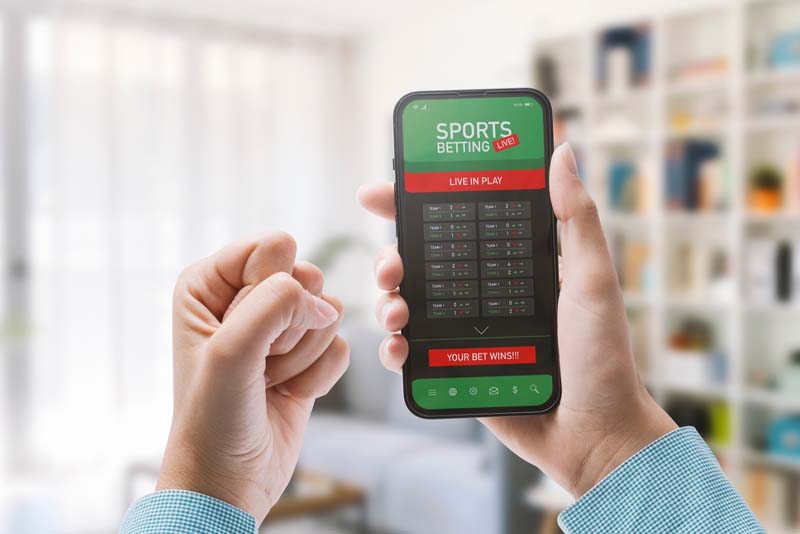
Why Mobile Is Reshaping Betting
The rise of in-game betting didn’t happen by chance. It happened because technology and betting models lined up at the right time. Mobile access is the driving factor, and the backbone is pay per head software. The best pay per head sites adapted quickly, making live betting not just possible but frictionless. Instead of waiting for pre-game wagers, bettors can now place bets while the game unfolds, all from their phone. That shift has changed how agents operate and how players engage.
The Basics of Pay Per Head Platforms
Pay Per Head or PPH platforms give independent bookies an opportunity to operate a sportsbook without worrying about the tedious and complete hefty infrastructure needed to run one. The software that they use takes care of odds, risk management, player accounts, and reporting. Agents are charged a flat rate for every active player under their account. Unlike old systems that did not focus on mobile integration, the advanced PPH systems have made mobile integration and expansion their main focus.
Why Mobile Changed In-Game Betting
Speed is one of the most important characteristics of in-game betting. Odds go up and down in a matter of seconds and players on the go need to be able to change their bets. If a player sees a line on their laptop and they have to wait until they get home to change their bets, it is worthless. Mobile betting eliminates that problem, and players are able to place their bets within seconds, even when the odds are constantly changing. Mobile betting systems have made in-game betting the most common system for players.
User Expectations Drive Platform Design
People who bet now want apps to be just as easy to use as other apps. If they can use other apps to quickly order food or get a ride, they want sports betting to be that easy, too. PPH platforms have made a lot of changes to their mobile interfaces. Clean designs, easy navigation, and quick Loading times are a must. Agents who work with clunky providers end up losing their customers. The best platforms are those that prioritize mobile use and do not make it an afterthought.
How Live Odds Integration Works
On the backend, mobile PPH systems connect straight to oddsmaker feeds. The software auto-updates the lines and recalculates the exposure. This is crucial for in-game betting since odds are highly volatile. When a quarterback throws an interception, the line can change in an instant. Mobile players get the updated odds in real-time, and agents can relax since they don’t have to change anything. The system automates the risk and keeps the action available.
The Role of Player Engagement Tools
In-game betting goes beyond simple odds as it pertains to remaining customers. Mobile systems integrate automatic rebet options, market suggestions, and real-time data displays for players. These tools maintain user engagement. The more a user stays, the more likely they are to place another bet. For agents, this increases the total handle and keeps every account actively betting.
Security and Trust on Mobile
People will only bet on a game if they trust the system. Mobile PPH platforms use encrypted connections, multi-step logins, and secure payment gateways. In-game betting adds an extra layer of sensitivity since bets are placed quickly and regularly. If players sense a lag in the transaction, or if they think their money is at risk, they will leave. Strong security protects the players and gives confidence when betting from anywhere.
Expanding Beyond Sports
While in-game betting focuses on sports, PPH platforms also connect with casino offerings. Mobile setups often merge the sportsbook and casino into one account. It’s not unusual for someone watching a game to also play blackjack on the same app during breaks. This is where the phrase comes into play: many providers now promote the PPH mobile online casino alongside live betting, creating one seamless platform.
How Mobile Notifications Shape Behavior
Push notifications are an underrated feature. These messages remind players to log in when the odds change or when a game gets exciting. With in-game betting, timing is everything. A player may not be watching the game, but he will definitely open the app when he gets a betting alert. These tiny nudges encourage more betting and help convert a player from a casual bettor to a regular.
Agent Control and Reporting
Agents also require back-end tools which are as important as the client-facing side of the software. Mobile dashboards let agents monitor wagers, track liabilities, and adjust player limits on the go. Sometimes, in the middle of a game, agents need to make adjustments quickly from their phone if one side of the game is getting heavy action. This is the reason agents remain loyal to PPH systems. They are practical and functional.
Scalability and Market Reach
Mobile betting opens up access to markets that desktop-only setups never touched. Players can bet from stadium seats and while commuting to work. For agents, there is expanded reach with no extra marketing spend. The more available betting becomes, the more the player base grows. Mobile betting is the operational scale that lets small operations compete with larger books.
Customization and Branding
Brand presence is an important factor for betting companies today, and many PPH platforms allow agents to customize mobile skins, logos, and themes. While the tech backbone is shared, that provides a sense of ownership. Players recognize the brand as opposed to the provider. For in-game betting, brand loyalty is what keeps customers betting on the same platform and prevents them from switching to more lucrative offers.
Regulatory Pressure and Compliance
Mobile betting doesn’t operate in a vacuum. Regionally specific regulations must be tailored to each PPH. Agents become liable if these regulations are ignored. Modern systems include geo-fencing and automated age checks and cover responsible gambling features. In-game betting is particularly prone to regulatory scrutiny, and rapid gambling and compliance features in mobile apps are essential.
The Impact on Revenue Flow
For bookies, betting through mobile devices is a huge revenue multiplier. Players don’t just place one bet before a match; they place multiple throughout. This also increases overall handle and balances action across different markets. Agents won’t see revenue in sharp peaks and dips. Mobile platforms let them manage this revenue flow and keep it steady.
Future Growth of Mobile PPH Platforms
There are also trends predicting that mobile betting will, more than ever before, be integrated with live video streams, advanced analytics, and tailored offers. It won’t be long before AI recommends a bet based on a customer’s historical betting behavior. The Demand for speed and personalization will push mobile PPH platforms ever so relentlessly. Agents who do not adopt these modern tools will be left behind.
Frequently Asked Questions
Q: How Customizable Are Pay per Head Bookie for Agents?
A: Very customizable. Agents can set limits, adjust lines, and choose branding options through a customized pay per head setup.
Q: Do Mobile PPH Platforms Support Live Betting Across All Sports?
A: Yes, most cover major sports worldwide, though depth of markets varies by provider.
Q: Are Payments Secure on Mobile Platforms?
A: Yes, payments use encryption and trusted gateways, similar to other online financial apps.
Q: Can Players Switch Between Sportsbook and Casino on Mobile?
A: Yes, most platforms integrate both in one account for easy switching.
Q: What Happens if Odds Change While a Bet Is Being Placed?
A: The system either accepts at the locked odds or notifies the player of an update before confirming.
The New Normal for Betting
Mobile isn’t just an add-on—it’s the foundation of modern betting. In-game wagering proves it. Without mobile platforms, the growth of this market would stall. With them, independent bookies can compete at scale, and players can engage in ways that weren’t possible a decade ago. Pay per head providers that continue refining mobile tools will define where the industry goes next.


