

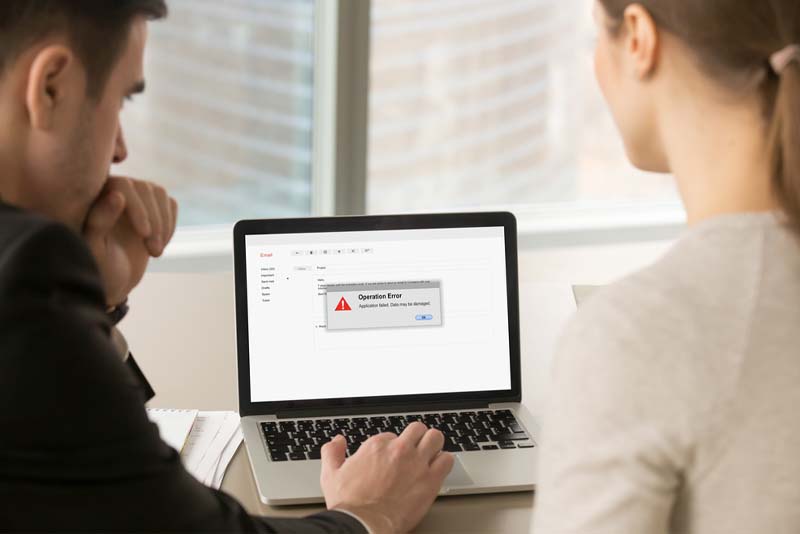
A top pay per head sportsbook depends on software that can keep up with real betting traffic. When the platform is old, overloaded, or patched together, the problems don’t stay hidden. Players feel the delays. They see the errors. They leave. Bookies end up working harder just to hold things together. The gap between modern systems and legacy setups gets wider every season, and the consequences show up fast.
Legacy Code Leads to System Crashes
Older PPH sportsbooks were multi-segmented builds over the years. When new features were implemented, older code wasn’t replaced, leading to unresolved issues of the software not integrating properly and cycles of instability and conflicting processes, plus server overload during big events. The system was designed to manage events before today’s traffic. When the volume of bets exceeds the system’s capacity, it fails.
Crashes come down to outdated scripts, flaws in the databases, and server environments that simply can’t handle the volume. For players, the reason doesn’t matter—they just know the system is blocking them from placing a live bet. Once that trust is broken, it gets difficult to retain players.
Slow Grading Comes From Weak Automation
Old technology depends almost exclusively on manual or semi-manual grading. They do not pull results through automated feeds. Instead, they do slow batch runs or have staff verify results. This slows the process down, affecting payouts and account balances, forcing players to wait longer than they should.
These delays lead bettors to believe there is illicit behavior involved or that the book is simply too small to operate efficiently. New technology instantly grades events, whereas older technology will slow down significantly once there are several events to grade.
Limited Bet Types Push Players Elsewhere
Today’s sportsbooks must include live markets, props, player stats, esports, alternate totals, same-game parlays, and flexible combinations. But many older PPH software programs weren’t designed for these types of markets.
This leads to limited options, broken combinations, and fast line movement, or these options are altogether missing. When players notice that other sportsbooks provide deeper and more dynamic betting options, they do not remain loyal. They choose convenience.
Security Weakens as Software Ages
Improved technology further isolates older platforms until they become obsolete. Legacy encryption restrictions, reliance on unsupported technology, abandonware, antiquated servers, and systems out of tune with current technology all have weak spots where malefactors can exploit and obtain data.
Contemporary PPH systems maintain a fire-and-forget approach to security updates and patches. Older systems may, if they even do, update their systems once a year. That means the bookie is left to defensively cover the many exposure points of accounts and data that can operationally shut the bookie down.
Outdated Interfaces Change Player Perception
While graphic design is often deemed important, sportsbook interfaces are primarily concerned with speed. Mobile-first designs are now the industry standard; outsized legacy platforms with heavy graphics, sluggish buttons, and slow bet slips are not. A player’s experience will suffer significantly because they will be stuck with designs and interfaces that feel amateur.
Customers will be displeased with an operation even if the bookie offers amazing service and instant payment if they are given the older, laggy interfaces that are commonly associated with unprofessional list setups, making the entire operation feel untrustworthy and outdated.
Weak Back-End Tools Slow Down the Bookie
A properly functioning sportsbook operation requires efficient reporting, monitoring, account changes, and access management. Outdated PPH platforms still functioning in the industry have old reporting dashboards and clunky interfaces that slow down basic tasks.
If a bookie cannot see their action, and has to manually increase their limit, and then cannot see their activity to quickly review it, the bookie gets overwhelmed quickly. The operation becomes more tedious and then even more difficult to scale in the future.
Player Frustration Builds Until They Drop Off
Even when there’s only one problem, bettors only take one more attempt before stopping completely. Once bettors have left the site and changed their perception of the platform, they stop placing bets altogether, leading to a handle and profit. Bettors leave the platform because of problems that are prominent across the spectrum. Lagging on a live betting attempt, delayed result grading, errors on mobile, and unresponsive site pages are all problems bettors notice and become frustrated with.
This is where many bookies begin rethinking their entire setup and even question whether running a PPH sportsbookbook online operation is worth the stress. The real problem isn’t the business model; it’s sticking with software that can’t keep up.
Upgrading Isn’t Optional When Revenue Is at Risk
It’s true that some bookmakers choose to underperform when they have outdated systems. Some of their negative cash flow situations may, on the surface, appear to be good enough. However, it’s only a matter of time before profit-negative margins erode systems. For every time there’s been a delay, an outage, or an unfilled betting market, betting operators are losing money over immeasurable time, and it compounds.
People may be losing money, but upgrading systems prevents that from getting more serious. A new, up-to-date system will have no problems with software and will be revenue positive.
What Modern PPH Software Should Provide
An upgrade needs to trace back to the problems caused by older systems. The basics are quick grading, robust servers, real-time performance, and a diversified menu.
New systems come with real-time data, cloud scalability, mobile-configured, protected encryption, and organized administrative areas. They are the baseline building blocks to modern systems, not simply business perks.
Clear Signs It’s Time to Move On
A situation that a bookie should recognize is when players display discontent on busy nights, take too long for grading, forget critical props on the menu, and experience site lag for major events.
Another sign is the constant need to interact with support to resolve minor issues. Mobile version is feeling old, and slow updates in balance – this is the software holding the business back.
Upgrades Improve Player Retention Fast
Gamers using more recent platforms can appreciate benefits instantaneously—changing screen results, faster onboarding, live bets, instantaneous results, and more dumps, and mobile formats.
Retention is no longer bonus or promotional-driven: the experience is stable. Reliability keeps customers. It always has.
Migration Doesn’t Need to Be Disruptive
Transition is one of the biggest fears for most bookies. A quality PPH provider will manage the complicated technical tasks– player movement, balance adjustments, setting configurations, agent tree structures, and other reroutes.
A smooth migration keeps the operation staircase flowing without downtime. Players usually don’t notice anything other than a rapidly improved betting experience.
The Upgrade Pays for Itself
Older competitors and most modern PPH platforms charge the same weekly fees. However, the bookie gains in faster grading, better uptime, more live betting handle, and more satisfied players.
With the increases in revenue that come from system stability, the move is, of course, worth it. Old systems drag profits down, while new ones cut the drag and add to profits.
Staying Ahead Matters More Than Ever
Sports betting is an ever-changing industry. Those who do not innovate quickly fall behind. The bookies who rely on such providers fall even faster. A contemporary betting platform is capable of automatic updates, security improvements, new markets, and server upgrades, so it will not fall behind.
Bookies should not waste energy concerning with the backend operations. Their focus should be on the players, the limits, and the growth of the business. The software should do the rest.
Frequently Asked Questions
Q: How do you know if your software is too outdated?
A: If players complain about lag, slow grading, or missing markets, the platform is behind modern standards.
Q: Do players notice a platform upgrade?
A: Yes, usually in a positive way. They see faster loading, deeper menus, and quicker results almost instantly.
Q: Can old software cause balance errors?
A: It can. Legacy systems sometimes misgrade or delay updates, which creates accounting problems.
Q: Is live betting performance affected by old systems?
A: Absolutely. Older platforms struggle with real-time odds and fast updates, leading to freezes or rejected wagers.
Q: How to Keep Your Pay Per Head Sportsbook Operation Compliant?
A: Stick to legal jurisdictions, verify player age, maintain clear rules, and use reliable data sources. Avoid gray areas, document everything, and apply the same standards to live betting in PPH sites to prevent compliance issues.
The Difference Between Running Smoothly and Struggling
A sportsbook thrives when the platform behind it is fast, reliable, and secure. Outdated PPH software does the opposite—it slows grading, causes crashes, frustrates players, and restricts growth. Bookies who upgrade don’t just modernize their operation; they remove the problems that were slowly draining their business. The change shows up in player satisfaction, handle, and long-term stability.


